New vinyl is expensive because a label is buying a scarce manufacturing process, not a lump of plastic. Short pressing runs, plants that cannot expand quickly, oil-linked PVC compound, and premium configurations like colored or 180 gram records have pushed a standard new 12-inch LP to roughly 25 to 40 dollars in the US. Short version: why are new vinyl records so expensive? Supply stayed flat while demand, and the format’s prestige, grew.
I have bought records in the same shops for two decades, and the sticker on a plain black LP used to be a rounding error next to the CD. That gap has flipped. Here is what changed, what it costs now, and where you can still save.
Table of Contents
- Why Are New Vinyl Records So Expensive? Typical US Price Guide
- What Affects the Price of New Vinyl Records?
- Why Are New Vinyl Records So Expensive? Manufacturing Economics
- How Do Artist Popularity and Scale Change the Price?
- How to Tell If an Expensive Record Offers More Value
- Ways to Save on New Vinyl Records
- A quick checklist before you pay
- Frequently Asked Questions
- Are new vinyl records more expensive than they used to be?
- Why do deluxe and colored vinyl editions cost more?
- Is expensive vinyl automatically better quality?
- Will an expensive new record be repressed later?
- Is it cheaper to buy new or used vinyl?
- How can I tell if a new record is worth its price?
- Conclusion
Why Are New Vinyl Records So Expensive? Typical US Price Guide
A standard new 12-inch LP usually lands between 25 and 40 dollars, and that number has become the reference point buyers judge everything else against. Price-check threads on r/vinyl show the same band appearing in city after city, with double LP sets frequently sitting in the 40 to 55 dollar range.
These are typical US ranges. They vary by region, artist, seller, pressing and time, and the ranges move as oil prices, freight costs and pressing-plant capacity shift.
| Format | Typical new price range (USD) | What drives it |
|---|---|---|
| Budget reissue, standard black 12-inch LP | 15 to 22 | Large run, plain jacket, catalog reissue |
| Standard new 12-inch LP | 25 to 40 | Artist demand and pressing-plant capacity |
| Double or triple LP set | 40 to 55 | Two or three records pressed, double the plant time |
| 180 gram or colored vinyl LP | 32 to 50 | Extra PVC by weight, or a second color compound batch |
| EP, 7-inch single | 3 to 20 | Smaller formats are cheaper; picture discs cost more |
| Numbered deluxe box set | 60 to 150 | Oversized package, inserts, foil stamping, short run |
Look down that table and a pattern appears. Price tracks the number of physical parts and the length of the run, not the quality of the recording inside.
What Affects the Price of New Vinyl Records?
Collectors tend to blame one thing, usually greed. The reality is messier: manufacturing cost, artist demand, licensing, packaging, pressing volume, scarcity and retail margin each pull in a different direction.
Why Are New Vinyl Records So Expensive? Manufacturing Economics
A record is not one product. It is a chain of separate businesses, and every link is capacity-constrained.
It starts with PVC compound, a stabilized vinyl resin made from oil-derived feedstock and bought by the plant in bulk. The label sends a master, and the plant cuts a lacquer disc on a lathe. That lacquer is electroplated in a bath to create a metal stamper, and only then does actual pressing begin.
Next come the parts people forget. Labels and center holes are punched. Jackets and sleeves are printed by a small set of specialist printers, many outside the US. Records are trimmed, sleeved, inserted, shrink-wrapped, boxed and palletized, then freighted from wherever the plant sits to a distributor and on to shops.
Here is the part that stings: the expensive steps are fixed. Cutting, plating and setup cost the same whether the run is 500 copies or 50,000. A short run spreads that fixed expense across a tiny number of copies, so each one carries a huge slice of it.
The 2020 fire at Apollo Masters, a master lacquer supplier, is the example collectors still cite. When it wiped out lacquer inventory, cut lacquers became harder to replace at exactly the moment plants were already booked out. The bottleneck moved upstream from the press to the master.
Capacity itself has not grown much either. The Czech Republic presses a large share of the world’s vinyl, and specialist PVC compound comes from Mexico, the Netherlands and Thailand. Trade policy adds friction on top: the Berman Amendment keeps phonorecords exempt from duties, which protects imported records while leaving domestic plants with a smaller home market to fill.
How Do Artist Popularity and Scale Change the Price?
Demand is the biggest variable, and it works in both directions.
Mainstream pop can run in large batches at several plants, which spreads fixed costs thin. Those records usually carry the lowest per-copy manufacturing cost of anything in the format, and buyers see that reflected on the sticker.
Catalog rock sits in the middle. A reissue of a well-known 1970s or 1980s album is safe to order in volume, so an authorized reissue can cost less than the deluxe edition of a newer record from the same band.
Punk and hardcore, garage and rockabilly, and niche indie releases sit at the expensive end. These are usually licensed to a small label pressing 500 to 1,000 copies, because the audience is measured in thousands, not millions. The manufacturing cost per record does not fall much when the run is that small, so the price stays high.
Independent labels prove the format itself is not expensive. An indie owner quoted in NOW Toronto described selling an embossed, foil-stamped LP for 17 dollars. Major-label reissues on the same shelf routinely run double that.
Caren Kelleher, who runs Gold Rush Vinyl in Austin, and David Macias of Thirty Tigers have both pointed out how much of the gap comes from scale and distribution rather than from the pressing itself. When wholesalers raised prices on specific titles by as much as double in a single season, shops had no choice but to pass it along.
How to Tell If an Expensive Record Offers More Value
Ask a few questions before you pay a premium.
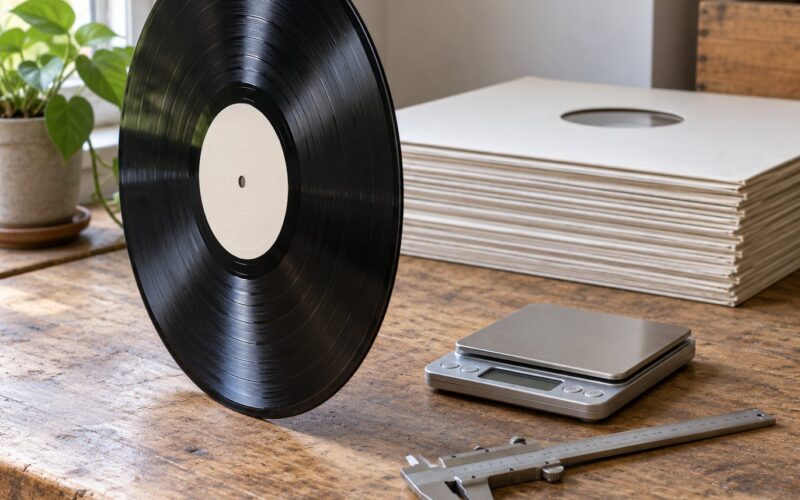
Check the edition size. A number printed on the package means a fixed number were made, and the next pressing will not be identical. Check the pressing weight, since 180 gram records are heavier and quieter than a 140 gram pressing, though not dramatically different. Check whether the mastering was done at half speed, a slower, more expensive process.
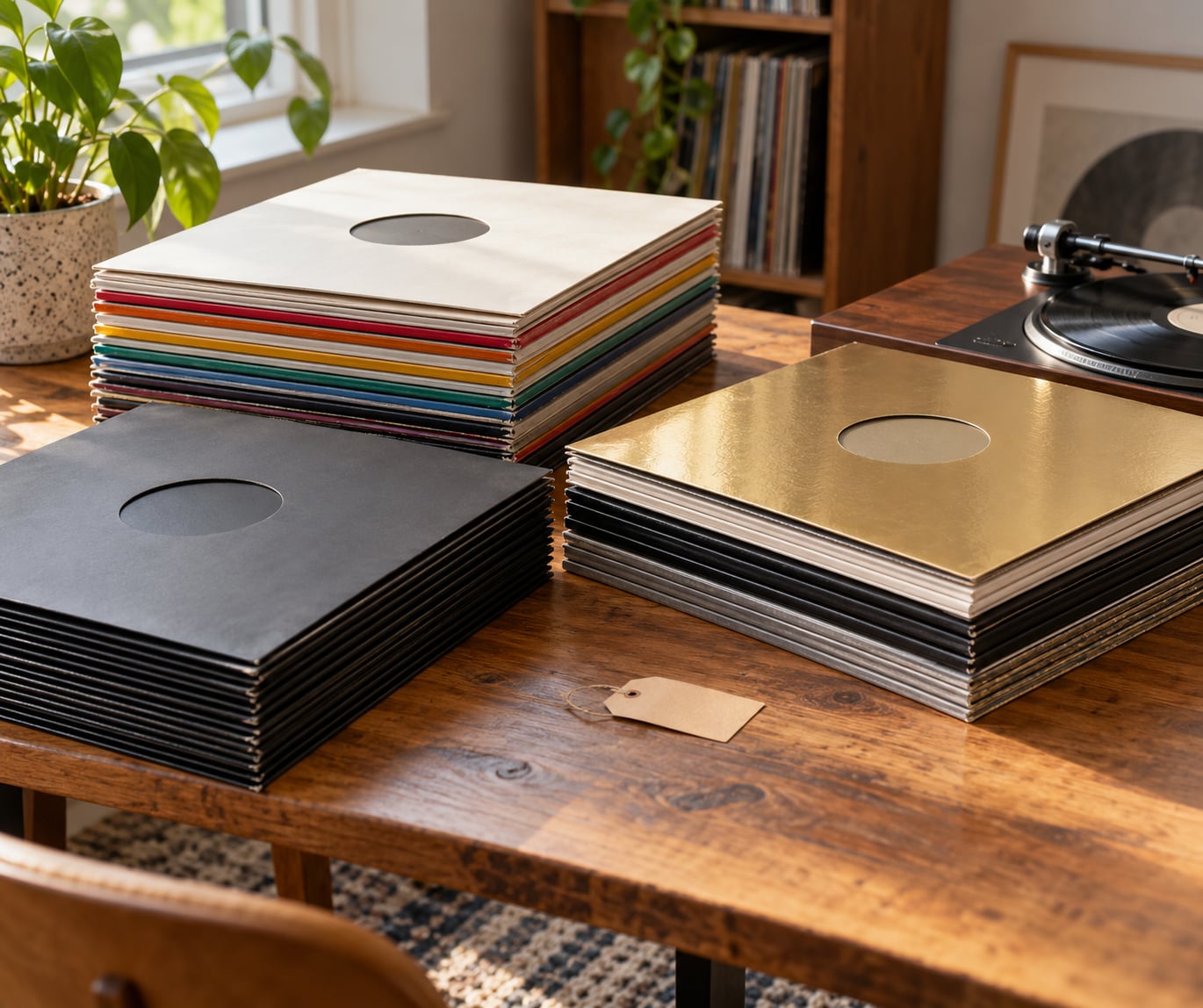
Then check the physical package. A gatefold sleeve, an OBI strip, an inner sleeve, an insert or an embossed or foil-stamped jacket all add real cost to make.
Finally, ask whether collectors are actually trading the item. A high price that only exists on a release announcement usually means low initial supply, not real demand. Check recent sold prices, not asking prices.
Ways to Save on New Vinyl Records
You cannot make the plants faster, but you can stop paying for things you do not need.
Buy the standard black pressing. A 180 gram or colored version of the same album sounds and plays essentially the same for most listeners. Buy single LPs instead of double LPs when the tracklist fits on one disc, since a double LP can cost nearly twice the plant time.
Compare sellers before checkout. The same title often sits at different prices across online retailers and independent shops. Join record store mailing lists, since shops mark down slow titles within a few months of release.
Wait out the release window. New titles are priced at their highest on release day and typically soften three to six months later. Skip Record Store Day exclusives, which cost more by design and are widely restocked as standard pressings.
Track reissues of catalog material. When a classic album gets an authorized reissue, it usually lands at a lower price than the deluxe edition that preceded it. And for common catalog titles, a clean used copy in a gatefold jacket is frequently the same object for half the money.
A quick checklist before you pay
- Is the standard black version available? Buy that.
- Has the title been out long enough to drop in price?
- Is there a plain reissue of the same album?
- Does the premium buy real mastering and packaging, or just a color?
- Do recent sold prices support the asking price?
Frequently Asked Questions
Are new vinyl records more expensive than they used to be?
Yes, substantially. A standard new 12-inch LP in the US commonly sits between 25 and 40 dollars today, and double LP sets run higher. Adjusting for inflation, records in the 1970s and 1980s often cost less in real terms than current budget reissues. The gap widened after pressing capacity flattened while demand for physical releases kept climbing.
Why do deluxe and colored vinyl editions cost more?
Deluxe editions cost more because they add physical parts and extra plant time. Colored and marbled vinyl requires separate batches of PVC compound per color, and heavier 180 gram pressings use more material per disc. Gatefold jackets, inserts, foil stamping and a numbered run all add cost, and small runs spread fixed setup expense across very few copies.
Is expensive vinyl automatically better quality?
No. A higher price usually reflects edition size, packaging and demand rather than sound. New pressings cut from half-speed masters can sound excellent, and many new records were mastered louder than vintage copies, which can cause clipping on good hi-fi systems. Judge a record by its mastering, weight and cut, not by the number on the sticker.
Will an expensive new record be repressed later?
It depends on the label and the run. Catalog albums from established artists are routinely repressed, often as cheaper standard editions within a few years. A small-run indie release or a limited edition is frequently never repressed, because the label has no reason to spend money on a market that no longer exists. Check whether a reissue has appeared before assuming one is coming.
Is it cheaper to buy new or used vinyl?
Used is usually cheaper, especially for catalog titles that have been repressed many times. For brand new releases, used copies are rare, and the price difference narrows. Used records carry the risk of ring wear, scratches and a reduced resale value. If you want a specific new edition with intact shrink wrap, buying new is the only option, and the premium is buying the condition.
How can I tell if a new record is worth its price?
Compare the edition against the standard version. If the only difference is vinyl color or weight, the sound is close enough that the standard pressing is better value for most listeners. Look at recent sold prices rather than listing prices, and check whether the package extras justify their cost. A plain black pressing of a great album at 20 dollars beats a collector edition at 60.
Conclusion
New vinyl is expensive for three real reasons: short pressing runs that spread fixed costs thinly, a multi-step manufacturing chain that never got cheaper, and collector demand strong enough to let labels price editions well above manufacturing cost. Add a package of extras and a colored disc and you reach the collector prices that make people wince.
Before you pay a premium, check four things: the pressing, the edition, the package and recent sold prices. If the standard black version sounds the same to you, buy that one and keep the difference for the next album.