To support independent musicians directly, buy their records, digital files, merch, and tickets through the artist’s own store or Bandcamp page, show up at their shows, subscribe to what they are building, and then share the music with one other person. The point is to skip the layers that take a cut, so most of what you spend reaches the person who made the music.
Streaming is not useless, but the arithmetic is brutal. Per-play payouts reported across the industry sit somewhere around a third of a cent to half a cent, which means roughly three thousand streams can add up to about ten dollars for the artist, before anyone splits it with collaborators. Buy one album direct and you have just done the equivalent of a full day of background listening.
Musicians on music industry forums say the same thing in different words: a small number of people buying directly sustains them better than a large audience streaming passively. This guide breaks the process into steps, including which purchases pay best, which gestures cost nothing but matter, and which well-meanned habits artists would rather you dropped.
Updated for October 2026. Figures below reflect typical reported ranges and change over time, so treat them as a sense of proportion rather than an invoice.
Table of Contents
- What You Need
- A budget you are honest about
- A way to find artists you actually like
- Enough information to check who is independent
- A way to know your money arrived
- Step-by-Step: How to Support Independent Musicians Directly
- 1. Find artists whose work you can connect with
- 2. Buy records and digital releases directly
- 3. Attend shows and buy music from the merch table
- 4. Support recurring projects, not only one-time purchases
- 5. Share the music in ways that create real discovery
- 6. Buy from independent labels and record stores
- 7. Keep supporting without overpaying or wasting money
- Common Mistakes
- Buying from unofficial resale listings
- Assuming streams equal income
- Adding a band to your playlist without asking
- Treating merch as mandatory
- Donating or pledging without reading the project
- Performative one-off gestures
- Frequently Asked Questions
- Does buying vinyl actually help an independent artist?
- Is buying on Bandcamp direct support?
- How much should I spend on an independent musician?
- How do I support an artist who never plays near me?
- Is it okay to add an independent band to my playlist without asking?
- What are the best ways to support musicians without spending money?
- Conclusion
What You Need
You need three things, and none of them require much money. Here is what they are.
A budget you are honest about
Pick a monthly number before you start and stop there. A lot of people want to support music more and end up buying a shirt they will never wear to prove a point. If your number is fifteen dollars a month, that might be one record, two tickets, or a membership tier with nothing extra attached. All three are fine.
A way to find artists you actually like
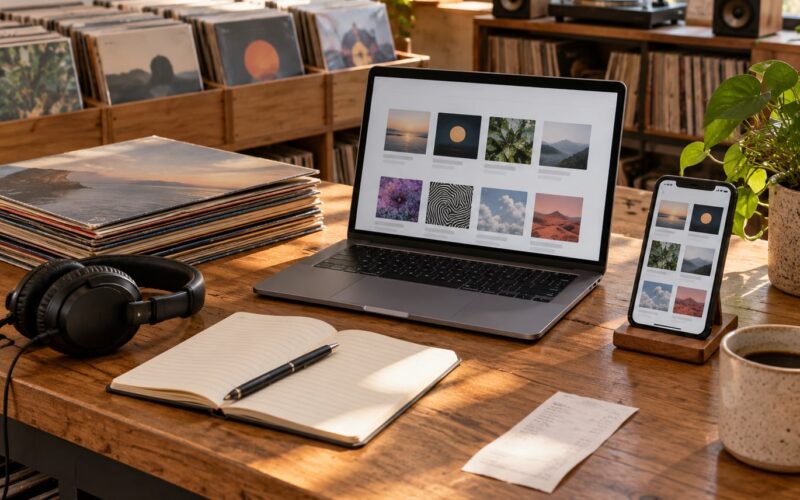
You need somewhere to discover work beyond the algorithm’s suggestions. Small labels with readable rosters, local venue calendars, community radio, curated playlists that name the person who made the playlist, and recommendations from friends all work. Discovery matters as much as spending, because an artist you have never heard cannot receive your money.
Enough information to check who is independent
Independent means self-released, signed to a small label, or licensing through a distributor while keeping their own masters and career. Quick checks: look for credits and copyright lines on the release, see whether the artist runs their own store or Bandcamp, read who published the record, and check whether the artist’s name appears on a major label roster. Small labels count as independent in the way most listeners mean it.
A way to know your money arrived
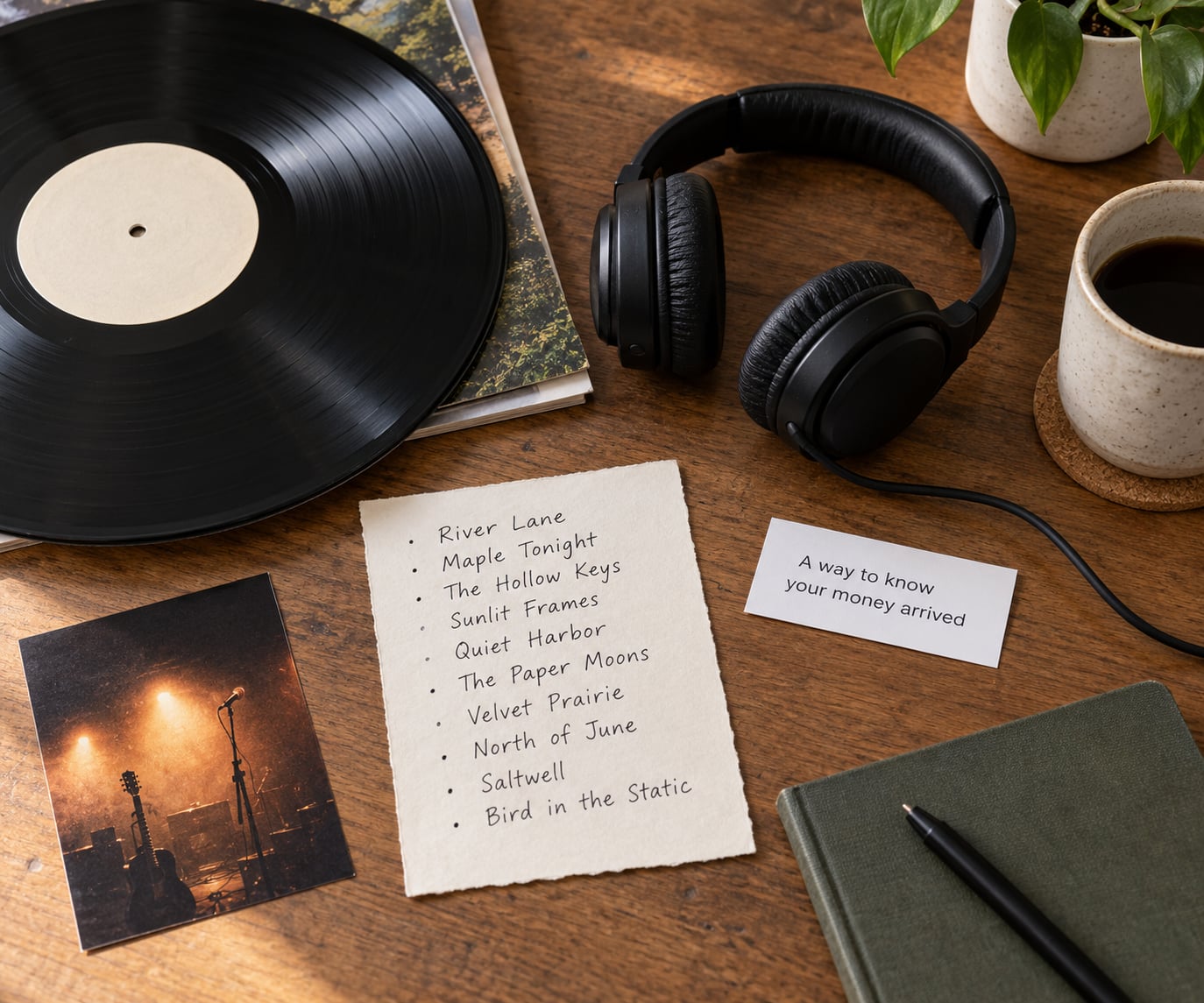
Buy from the artist’s official store or their Bandcamp rather than a marketplace where a third party lists copies. When an artist uses a distributor, the digital purchase still reaches them through the distributor, but the intermediary margin shrinks compared with a resale listing. If the artist posts a link, use the artist’s link.
Step-by-Step: How to Support Independent Musicians Directly
Follow these in order the first time, then keep doing the ones that fit your budget. Each step includes how to tell it actually worked, which is the part most advice leaves out.
1. Find artists whose work you can connect with
Start where artists have some control over who hears them. Bandcamp’s tag pages, small label rosters, local venue calendars, and community radio shows all surface names that streaming algorithms bury. Vinyl forums and record store staff are underrated here: ask which recent local releases they cannot stop playing, and they will tell you.
How to tell it worked: you end up with a short list of three or four names, not a hundred. Narrow lists convert into actual purchases. Wide lists become background noise you forget by Friday.
2. Buy records and digital releases directly
This is where the money moves most efficiently. A Bandcamp purchase typically leaves the artist with roughly eighty-five to ninety percent, once you account for about fifteen percent in platform fees on digital sales, around ten percent on merch, and a few more percent in payment processing. On Bandcamp Fridays, those fees are waived, so the artist keeps essentially the entire purchase price.
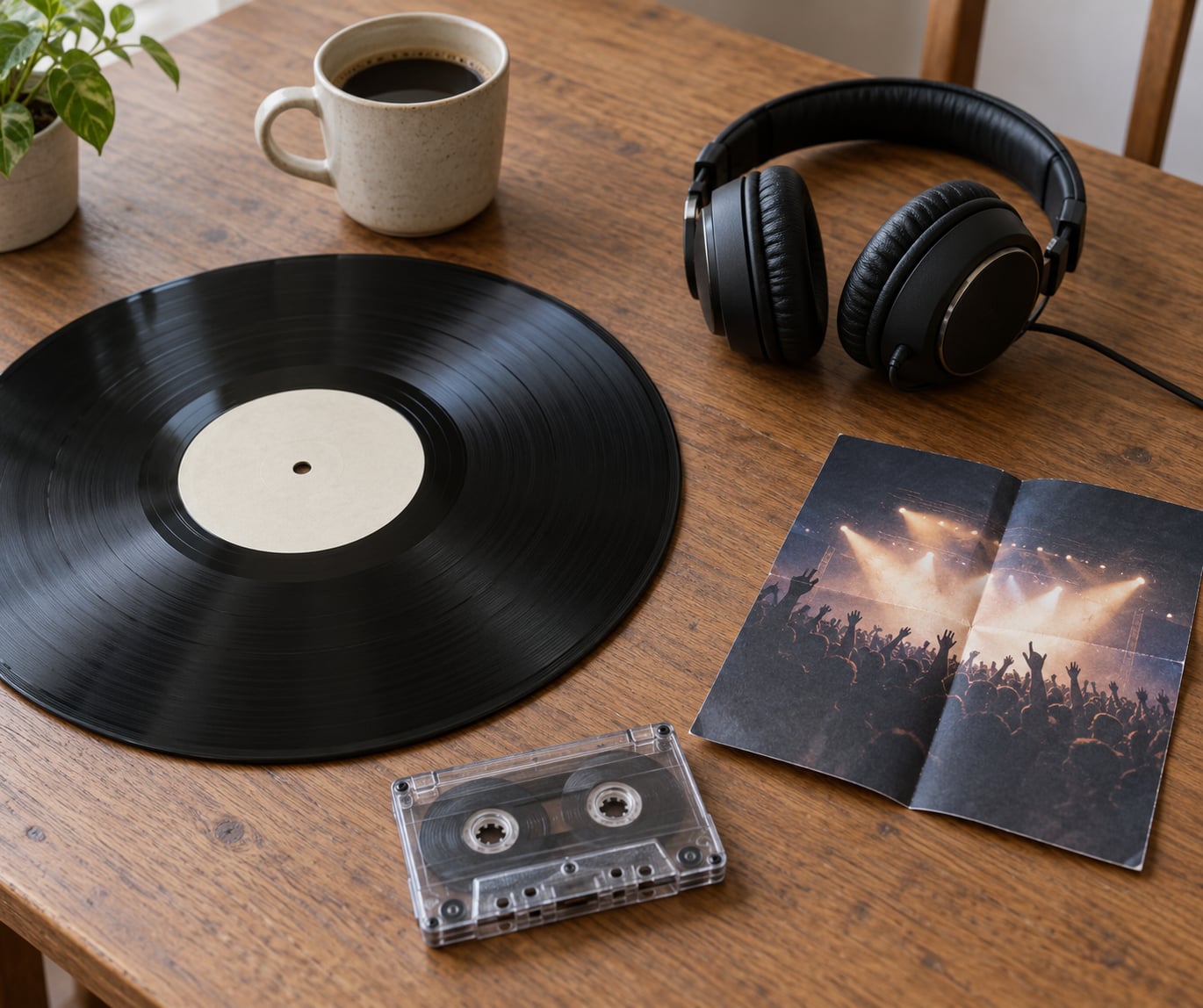
Physical formats work too, and the economics differ. Vinyl is expensive to press and rarely breaks even on a first run, but a sold-out pressing funds the next one, and pre-orders cover the upfront cost before the records even exist. Cassettes and CDs cost less to manufacture and lose money faster when they are over-produced. A digital download costs the artist almost nothing to make and pays them the most per sale.
How to support independent musicians directly with the money you spend means checking where a purchase lands before you click. If the artist links their own Bandcamp from their site or social bio, use that link. If you found a copy on a general marketplace, the seller may be a third party keeping the difference.
Here is roughly how each route compares. Percentages are typical reported figures and vary by deal.
| How you support | Share reaching the artist | Best for |
|---|---|---|
| Bandcamp digital download | About 85 to 90 percent | Best value per dollar, instant delivery |
| Bandcamp purchase on a Bandcamp Friday | Close to 100 percent | Artists small enough to matter to you |
| Vinyl or CD from the artist’s store | Higher, minus manufacturing | Collectors, and funding a pressing |
| Merchandise | Roughly 40 to 70 percent margin | Highest margin of any purchase |
| Concert ticket | Roughly 60 to 80 percent of the door | Artists with a live show |
| Streaming | A fraction of a cent per play | Reach and playlist signals |
How to tell it worked: you own something you would have bought anyway, and the artist’s post or newsletter mentioned the sale or thanked supporters. Merch and records both show up in income more visibly than streams do, which is why small labels notice them.
3. Attend shows and buy music from the merch table
A small room with a low ceiling often splits the door badly, and the band may still lose money after fuel, backline, and the sound engineer. Musicians have said plainly that crowd size determines whether they can book a bigger room or negotiate a better guarantee next time, which means the audience is quietly setting the fee.
Buy the ticket from the venue or the artist’s own listing rather than a resale site. Arrive early enough to actually see the sound check, and put cash in the tip jar if there is one. Merch at the table is the highest-margin item the band sells all night, and it is the easiest thing for a fan to buy without planning.
How to tell it worked: the room was reasonably full, the band sold out of something, and you talked to somebody in the band or their crew. That last one is not a metric, but it is the part that keeps artists doing the thing.
4. Support recurring projects, not only one-time purchases
Recurring support changes an artist’s planning. Patreon, BackerKit, and paid Discord communities let a musician budget around a known monthly number instead of guessing, and that predictability is what funds things like a rehearsal room, a van repair, or a week of unpaid studio time.
Not every artist offers one, and that is fine. Look for a tier that is genuinely useful to you: early demos, a monthly track, production notes, rehearsal footage, or a credit on a record. A tier you would not cancel is worth more than a large one you resent paying.
Crowdfunding and pre-orders work the same way with a one-off shape. Read the pledge structure before committing, check whether rewards have delivery dates attached, and treat a vague timeline as a risk rather than a promise. Bands have shipped late and bands have shipped early; the difference is usually manufacturing, which is outside their control.
How to tell it worked: you receive something on the schedule they published, and updates keep coming after the money arrives.
5. Share the music in ways that create real discovery
Most sharing does nothing because it arrives without context. A bare link in a feed gets scrolled past. A short note about what the song does to you, sent to one friend who likes the same thing, does not get scrolled past.
Tagging the artist in a post, linking their official store rather than a random upload, and recommending a specific track instead of an entire discography all help. Saving the release on the streaming platform you use matters more than it sounds, because saves and repeat plays are among the engagement signals these recommendation systems weigh. Pre-saving a release before the drop adds one more.
Writing a short review or a post about a live show counts, and so does showing up at the ones you write about. Artists in music industry discussions describe performative support as exhausting: the one-off stream, the follow-and-unfollow, the empty room that looks busy in a photo. Support that repeats reads as genuine because it is.
How to tell it worked: the artist gets a message from someone who says they found them through you. That message is the signal.
6. Buy from independent labels and record stores
Independent labels and small shops are infrastructure, and infrastructure decides how many records get made. When you buy from a small label’s store or order an import through an independent record shop, the money funds pressing, distribution, and promotion, which is what turns a self-released demo into something that reaches listeners at all.
Physical collectors already know this, which is why the vinyl crowd is unusually good at supporting the chain end to end. Order directly from the label when you can, ask the shop to order in a title you want, and pre-order pressings that are still open, because a pre-order covers manufacturing costs before anyone else commits.
How to tell it worked: the label keeps the record in print, and the pressing you pre-ordered arrives on time.
7. Keep supporting without overpaying or wasting money
Consistency beats size. One record a year from an artist you love is worth more to them than five impulse purchases spread across five artists you will forget, and it costs you less than the same five bought in one bad week.
Match the format to what you will actually use. A vinyl pressing is a poor purchase if you have no turntable and no intention of getting one, and a format you cannot afford twice is not a format. Buy things you will use, skip the things you would hide in a drawer, and put the difference into the next release instead.
How to tell it worked: a year later you still have the record, still know the songs, and have bought something else from the same person. That is the whole game.
Common Mistakes
Most wasted support comes from good intentions executed badly. These are the ones artists complain about, each with the fix.
Buying from unofficial resale listings
A used copy sold by an unaffiliated seller pays the seller. Fix: look for the artist’s own store, their Bandcamp, or a label that states where it ships from. If a pressing says it was distributed by the artist, the artist is in the chain.
Assuming streams equal income
Playing an album on repeat feels like support and is not, in any meaningful financial sense at that volume. Fix: keep streaming, because saves and repeat plays feed the recommendation systems, but do not count it. Treat streaming as attention and spend money as support.
Adding a band to your playlist without asking
Listeners ask this constantly and usually get a clear answer: unsolicited playlist adds are mildly rude, and they are not marketing. Fix: if a release genuinely lands, message the artist, mention the track, and let them share it themselves. That is worth more than a slot on a list nobody follows.
Treating merch as mandatory
An expensive shirt bought out of obligation is still landfill with a logo on it. Fix: buy one item you will wear, skip the rest, and put the money on the record instead, where the margin is better for everyone.
Donating or pledging without reading the project
Pledges with no timeline and no delivery terms are the ones that disappear. Fix: read what is promised, when it ships, and what happens if it does not. If a project has no dates at all, that is your answer.
Performative one-off gestures
The follow-and-unfollow, the single stream that arrives the morning of release day, the empty show that photographs well. Fix: pick one artist and support them repeatedly. Artists on music forums notice repeat listeners far more than they notice volume, and they have said so more than once.
Frequently Asked Questions
Does buying vinyl actually help an independent artist?
Yes, but the mechanics matter more than the format. A vinyl pressing costs several times more to manufacture than a digital file, so it only helps when enough people buy to cover the run. Pre-orders are the strongest case, because they fund manufacturing before the money is spent. A digital download from the artist’s Bandcamp puts a far higher share of a far smaller sum into their hands.
Is buying on Bandcamp direct support?
Yes. Bandcamp is one of the most direct ways a listener can pay an independent musician, since the artist keeps roughly eighty-five to ninety percent of a digital purchase after platform and processing fees. On Bandcamp Fridays those fees are waived, so the artist keeps essentially the whole amount. Check that you are on the artist’s own page and not a fan mirror.
How much should I spend on an independent musician?
Enough that you can repeat it. Set a monthly number you would not miss, then let it run for a year rather than making one large gesture. Artists report that a small group of regular buyers matters more than occasional large purchases. If the amount that feels sustainable is fifteen dollars a month, that is a perfectly serious level of support.
How do I support an artist who never plays near me?
Direct purchases work regardless of geography, and they are often the main revenue for artists who cannot tour. Buy the record or download, subscribe if there is a membership, and pre-order a pressing when one opens. Tour support still matters if you can offer it: a friend with a spare room, a spare amp, help loading in, or a plug-in slot is often worth more than the ticket you would have bought.
Is it okay to add an independent band to my playlist without asking?
Artists generally prefer that you do not. An unsolicited add is easy to ignore, gives no context, and adds nothing to their numbers in a way they can read. Message the artist instead, name the track that worked for you, and let them post their own link. A personal message from a new listener is worth more to a small artist than a playlist slot.
What are the best ways to support musicians without spending money?
Save and repeat-play their releases so the recommendation systems notice, pre-save new albums, share one specific track with a friend who likes the same genre, show up early at shows, buy nothing but stay and watch the whole set, and tell other people. Repeated engagement and word of mouth are what move small artists into bigger rooms, and both are free.
Conclusion
Pick one artist this week. Find their official store or Bandcamp, buy one legitimate release or one ticket, and send the music to a single person with a sentence explaining why. Then do it again next month with the same artist. That is the whole method, and it works better than any gesture twice its size.